The studio's signature · part of every lesson program
The Intelligent Practising Method.
Built on a checklist, conscious planning, and deliberately established habits and responses, the method grew out of European conservatoire standards and was rebuilt around the practical needs of Australian students. It reframes practice as a structured, diagnostic activity — turning the hours between lessons into the most productive part of the week. The method trains focus, planning and logical thinking — skills students carry into other school subjects and everyday life.
Founder & teaching artist
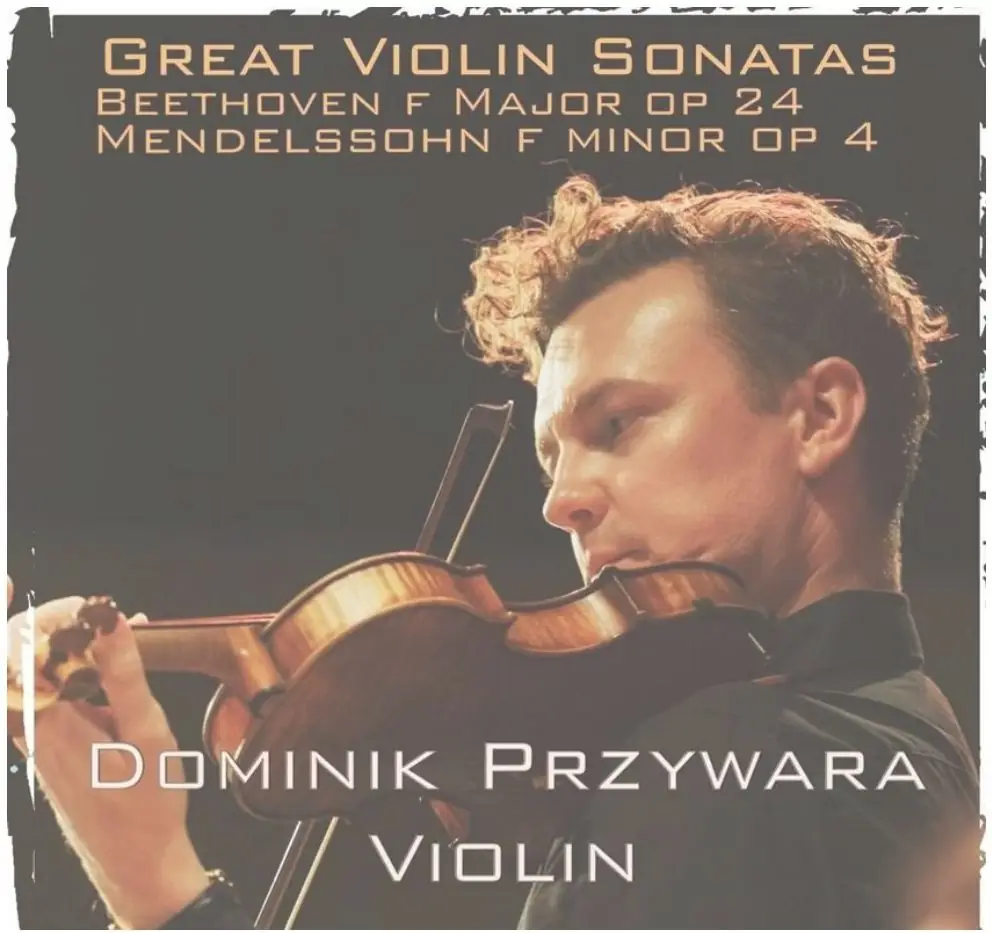
Dominik Przywara
Developed by Dominik Przywara — concert violinist, instrument specialist and founder of Strings Embassy. Every student is introduced to the method in their first lesson.
Teaching artistWhy it helps far beyond the practice room.
The method trains attention, self-observation and flow — three capacities that decide outcomes at school, at university and at work just as much as they decide outcomes on stage.
Focus you can rely on
A written checklist and a clear plan for every session remove the guesswork that makes attention wander. Students who struggle to concentrate get an external structure first, then internalise it — attention becomes a trained skill rather than a mood.
Control over the way you think
Practice is treated as a diagnostic activity: notice the problem, name it, choose the intervention, verify the result. That loop is metacognition — students learn to observe and steer their own thinking instead of repeating effort blindly.
Flow state, on purpose
Flow appears when challenge and skill are matched and feedback is immediate. The method engineers those conditions deliberately — small, well-sized tasks with instant self-assessment — so immersion becomes repeatable rather than accidental.
Results beyond the instrument
Parents consistently report the transfer: calmer homework sessions, better exam preparation, stronger performance under pressure at school and, for adult students, sharper concentration and stamina at work. The habits are general-purpose; the violin is simply where they are trained.
How a session runs
A five-step loop.
01
Plan
Decide what this session must achieve before touching the instrument.
02
Diagnose
Identify the precise cause of a problem — bow distribution, intonation reference, rhythm, tension.
03
Intervene
Apply one deliberate change at a time, at a tempo where it can succeed.
04
Verify
Test, record, and confirm the change held. Only then move on.
05
Establish
Repeat until the response is automatic — a habit, not a hope.
Dominik Przywara — founder & teaching artist
Every student is introduced to the method in their first lesson.